
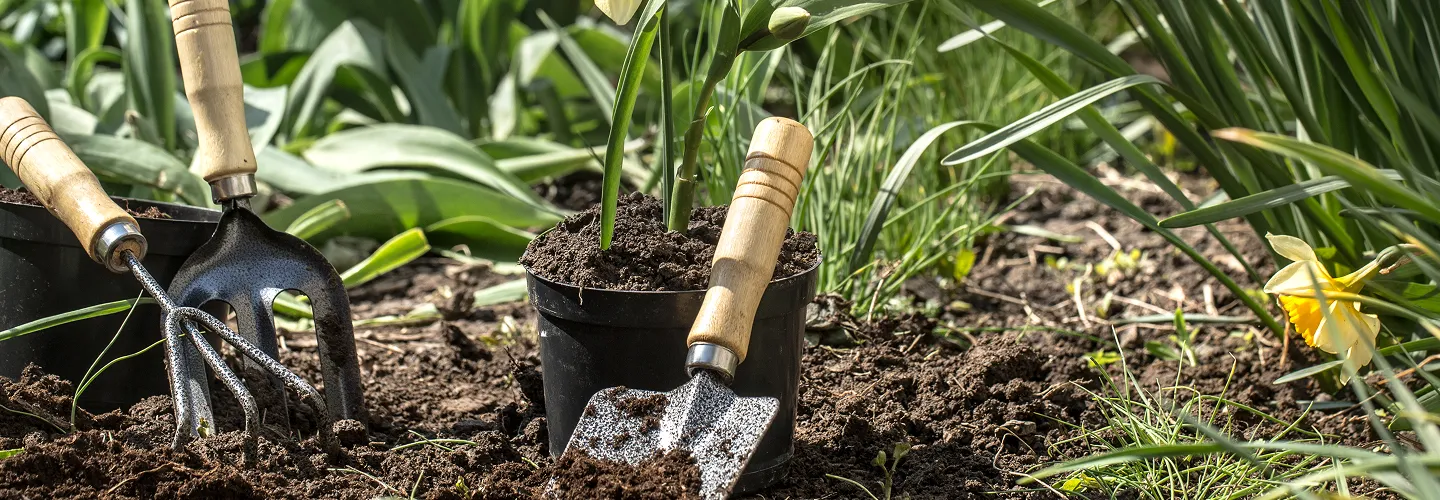
Peachtree City Green Waste Disposal Services
Choose our Green Waste Disposal for reliable, environmentally responsible removal of your yard debris—keeping your property clean while supporting a greener community.
Get a Free QuoteOur Peachtree City Landscaping & Yard Care Services
When to Schedule Green Waste Disposal in Peachtree City, Georgia – Seasonal Guide
In Peachtree City, Georgia, the best times to schedule green waste disposal are closely tied to our unique climate and landscape. With mild winters and hot, humid summers, most homeowners find that late winter through early spring—just after the last frost date—offers an ideal window for clearing out yard debris, pruning shrubs, and removing fallen branches. This timing helps prepare your landscape for the growing season and reduces the risk of pest infestations. Neighborhoods like Planterra Ridge and near Lake Peachtree often experience heavy leaf and branch accumulation after winter storms, making early spring cleanups especially important.
Local environmental factors such as high humidity, clay-heavy soils, and dense shade from mature trees in areas like Braelinn and Aberdeen can influence how quickly organic debris breaks down and when it should be removed. Additionally, Peachtree City’s periodic drought risks and municipal guidelines—outlined by the local government—may affect when and how green waste can be collected or disposed of. Being mindful of these factors ensures your property remains healthy and compliant with city regulations.
Local Factors to Consider for Green Waste Disposal in Peachtree City
- Tree density and types of vegetation (e.g., pine vs. oak)
- Terrain and drainage patterns, especially near golf cart paths
- Seasonal precipitation and risk of drought
- Municipal restrictions on disposal timing and methods
- Proximity to landmarks like Lake Peachtree or Flat Creek
- Shade coverage and its impact on debris accumulation
- Soil type, particularly clay content affecting decomposition
Benefits of Green Waste Disposal in Peachtree City
Eco-Friendly Landscaping Solutions
Efficient Yard Waste Removal
Promotes Healthy Plant Growth
Reduces Landfill Waste
Supports Local Recycling Efforts
Enhances Property Curb Appeal
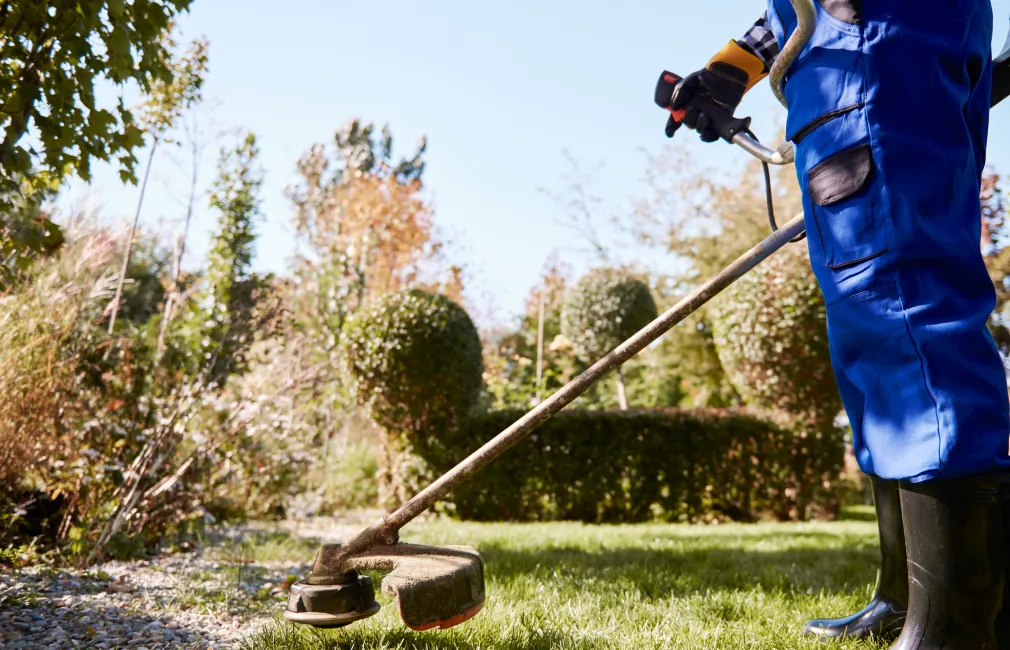
Peachtree City Green Waste Disposal Types

Grass Clippings
-
Tree Branches
-
Leaves Collection
-
Shrub Trimmings
-
Garden Debris
-
Mulch Recycling
-
Compostable Materials
Our Green Waste Disposal Process
Collection of Green Waste
Sorting and Separation
Transport to Disposal Facility
Eco-Friendly Processing
Why Choose Peachtree City Landscape Services
Peachtree City Homeowners Trust Us
-
Comprehensive Lawn Maintenance
-
Reliable Irrigation Solutions
-
Expert Tree and Shrub Care
-
Seasonal Clean-Up Services
-
Competitive Pricing
-
Professional and Courteous Team
-
Satisfaction Guarantee
Peachtree City Public Works Green Waste Collection Procedures and Placement Standards
Peachtree City's Public Works Department coordinates residential yard waste and green waste collection as part of the city's broader sanitation and infrastructure services. Residents and property managers should observe the following placement and preparation standards to ensure timely pickup:
- Yard waste must be placed at the curb by 7:00 a.m. on the scheduled collection day; verify your zone's current schedule directly with Public Works, as routes may be adjusted seasonally.
- Brush and limb bundles should not exceed 4 feet in length and must be tied securely to prevent scattering into storm drains or roadways.
- Loose leaf and grass clippings must be bagged or containerized separately from brush piles.
- Green waste must not be placed in front of storm drain inlets, drainage swales, or within the cart path right-of-way.
- Large-volume debris from storm events or major cleanouts may require a separate bulk pickup request through Public Works.
Peachtree City Public Works Department
151 Willowbend Road, Peachtree City, GA 30269
Phone: (770) 487-8901
Official Website: Peachtree City Public Works Department
Protecting Peachtree City's Ponds, Creeks, and Cart Path Corridors During Green Waste Disposal
Peachtree City is home to an extensive network of retention ponds, drainage corridors, and over 100 miles of multi-use cart paths that traverse wooded and riparian areas throughout the city. Improper green waste disposal near these features poses direct risks to water quality and stormwater conveyance. Grass clippings, leaf debris, and organic material deposited near pond edges or drainage inlets introduce excess nutrients that accelerate algae growth and degrade water quality in violation of Georgia Water Quality Standards administered by the Georgia EPD Watershed Protection Branch. Property owners should:
- Maintain a minimum 10-foot vegetated buffer between green waste staging areas and any pond shoreline, drainage swale, or creek bank.
- Never blow or rake clippings into cart path drainage channels or detention pond inlets.
- Bag all fine organic material before placing near roadside collection points adjacent to stormwater infrastructure.
The EPA NPDES Program and local stormwater ordinances reinforce these requirements for all residential and commercial properties within city limits.
Piedmont Red Clay Soils in Peachtree City and Their Effect on Green Waste Decomposition
Peachtree City sits within Georgia's Piedmont physiographic region, where soils are predominantly Cecil and Appling series — dense, red clay-based Ultisols with limited natural drainage and a tendency toward compaction under foot and equipment traffic. According to the USDA Web Soil Survey, these soils typically have a pH range of 5.0 to 6.0 and slow permeability, which affects how organic green waste breaks down on-site. Key implications for green waste disposal include:
- Composting yard waste directly on compacted clay lots without amendment can result in anaerobic decomposition, producing odors and attracting pests.
- Leaf mulch and grass clippings left in thick layers on clay soils may impede surface drainage and contribute to standing water near foundations.
- Residents in Peachtree City fall within USDA Hardiness Zone 7b to 8a, supporting a long warm-season growth period that generates substantial green waste volume from April through October.
UGA Cooperative Extension recommends thin-layer composting or municipal collection as the preferred disposal method for clay-heavy Piedmont lots.
Peachtree City Code Enforcement Standards for Overgrown Vegetation and Debris Accumulation
Peachtree City's Code Enforcement Division enforces property maintenance standards that directly affect how green waste is managed on residential and commercial lots. Accumulated yard debris, including piles of leaves, grass clippings, brush, and organic material left unattended for extended periods, may constitute a code violation under the city's nuisance vegetation and property maintenance ordinances. Practical compliance guidance includes:
- Green waste should not remain staged on a property for more than 7 days without being containerized, removed, or placed at the curb for collection.
- Overgrown vegetation exceeding ordinance thresholds — typically grass or weeds above 12 inches in height — may trigger a formal notice of violation.
- Brush piles left adjacent to fences, structures, or wooded lot edges may be cited as fire hazards or pest harborage.
- Property owners who receive a violation notice are typically given a defined correction window; failure to comply may result in city-contracted abatement and associated fees.
Residents with questions about specific thresholds or violation notices should contact Code Enforcement directly.
Peachtree City Code Enforcement
151 Willowbend Road, Peachtree City, GA 30269
Phone: (770) 487-8901
Official Website: Peachtree City Code Enforcement
Seasonal Green Waste Volume and Disposal Timing in Peachtree City's Warm-Season Climate
Peachtree City's climate, monitored through the National Weather Service Peachtree City forecast office — which also serves as a regional NWS office for the Southeast — produces distinct seasonal peaks in green waste generation that residents should plan around. The city's warm, humid summers and mild winters create the following disposal calendar:
- Spring (March–May): Peak green waste volume from warm-season turf green-up, ornamental pruning, and storm debris following spring thunderstorm activity; schedule bulk pickups early in the season.
- Summer (June–August): Sustained high-volume grass clipping generation; weekly curbside placement is typically necessary for actively maintained properties.
- Fall (September–November): Significant leaf fall from mature hardwoods, particularly in wooded neighborhoods; leaf bags should be separated from brush bundles for efficient collection.
- Winter (December–February): Reduced volume; occasional storm debris from ice or wind events may require special bulk pickup coordination with Public Works.
Timing green waste placement to align with collection schedules reduces the risk of debris migrating into drainage infrastructure during heavy rainfall events common to Fayette County's Piedmont setting.
What Neighborhoods Do We Serve Throughout Peachtree City, GA?
- Kedron: A well-established residential area in northern Peachtree City with mature hardwood canopy generating significant leaf and limb debris each fall; lots near Kedron Pond require careful green waste staging to protect pond water quality.
- Wilksmoor / Smokerise: Wooded subdivisions with red clay soils and limited surface drainage; green waste accumulation near drainage swales requires prompt removal to prevent inlet blockage.
- Planterra Ridge: A newer development with larger lots and active landscaping; high green waste volume from ornamental beds and warm-season turf maintenance throughout the growing season.
- Braelinn: An established neighborhood adjacent to cart path corridors and wooded buffers; residents must avoid placing green waste within cart path right-of-way or near wooded drainage edges.
- Glenloch: A mixed residential area with retention pond features and clay-heavy soils; proper bagging of fine organic material is essential to protect stormwater infrastructure.
- Huddleston Pond Area: Properties near this drainage feature require heightened attention to buffer compliance and debris containment during green waste disposal operations.
- Peachtree City Golf Cart Village / TDK Boulevard Corridor: Higher-density residential areas with smaller lot sizes and frequent curbside collection needs; proper bundling and containerization standards are especially important given proximity to shared roadways and cart paths.