
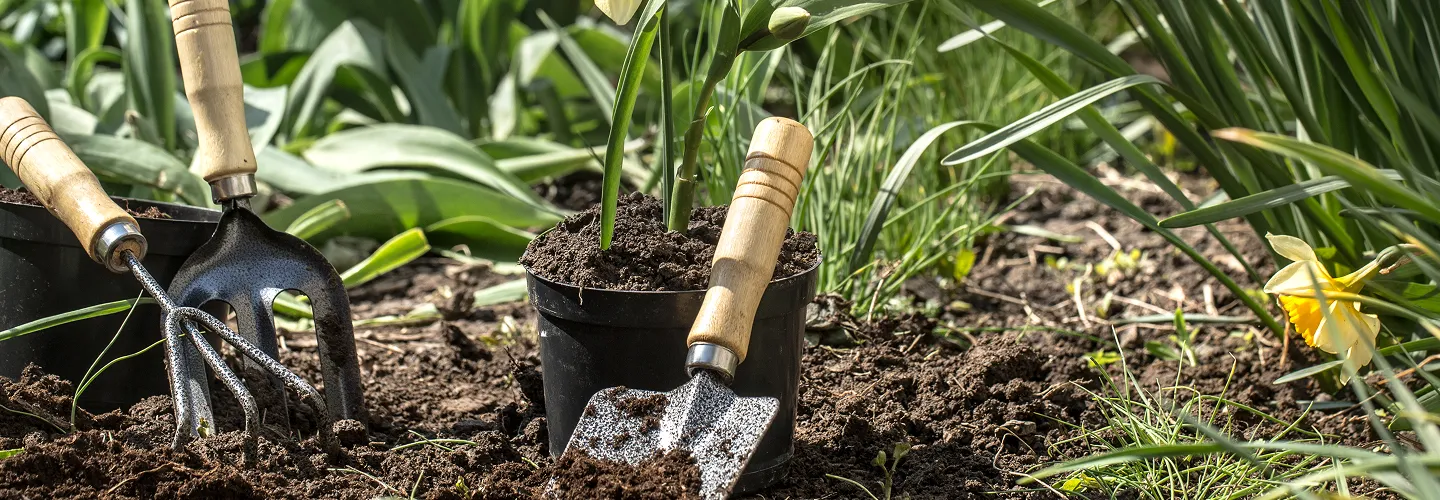
Peachtree City Pruning Services
Choose our professional pruning services for healthier trees, enhanced curb appeal, and peace of mind—our skilled team ensures every cut promotes growth, safety, and lasting beauty for your landscape.
Get a Free QuoteOur Peachtree City Landscaping & Yard Care Services
When to Schedule Pruning in Peachtree City, Georgia – Seasonal Guide
In Peachtree City, Georgia, the best time to schedule pruning depends on our unique blend of Southern climate, local flora, and neighborhood characteristics. Generally, late winter through early spring is ideal for most trees and shrubs, as this period allows plants to recover before the vigorous growth of spring. However, with our region’s variable humidity, occasional droughts, and the risk of late frosts—especially in areas near Lake Peachtree or the shaded lots of Planterra Ridge—timing can be crucial for plant health and landscape aesthetics.
Local environmental factors such as soil composition in neighborhoods like Kedron Hills, shade coverage from mature canopies, and municipal guidelines all play a role in determining the optimal pruning window. For example, properties near Flat Creek may experience higher humidity and denser shade, affecting both growth rates and disease risk. For more information on local regulations and best practices, consult the official city resources.
Local Factors to Consider for Pruning in Peachtree City
- Tree and shrub density on your property
- Terrain and drainage, especially in sloped areas
- Annual precipitation and drought risk
- Frost dates and seasonal temperature swings
- Shade coverage from mature trees
- Soil type (sandy, clay, or loam)
- Municipal restrictions or HOA guidelines
Benefits of Pruning in Peachtree City
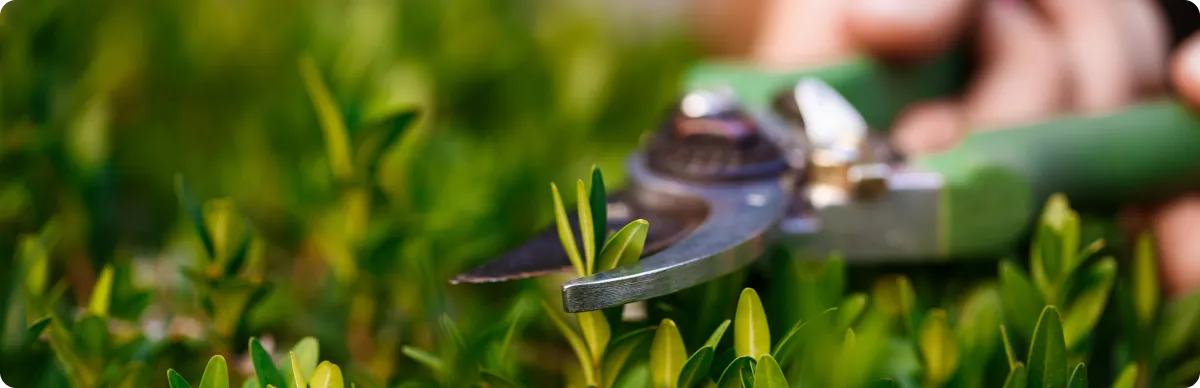
Enhanced Curb Appeal
Healthier Plants and Trees
Improved Sunlight Penetration
Reduced Risk of Disease
Increased Property Value
Professional Landscaping Expertise
Peachtree City Pruning Types

Crown Thinning
-
Crown Raising
-
Crown Reduction
-
Deadwooding
-
Formative Pruning
-
Pollarding
-
Vista Pruning
Our Pruning Process
Site Evaluation
Plant Selection
Targeted Pruning
Debris Removal
Final Inspection
Why Choose Peachtree City Landscape Services

Peachtree City Homeowners Trust Us
-
Comprehensive Lawn Maintenance
-
Reliable Irrigation Solutions
-
Expert Tree and Shrub Care
-
Seasonal Clean-Up Services
-
Competitive Pricing
-
Professional and Courteous Team
-
Satisfaction Guarantee
Pruning Timing and Peachtree City's Piedmont Climate Conditions
Peachtree City falls within USDA Hardiness Zone 7b to 8a, situated in Georgia's Piedmont region where warm, humid summers and mild winters shape the annual pruning calendar. According to UGA Cooperative Extension, most deciduous shrubs and ornamental trees benefit from dormant-season pruning between late December and late February, before new growth initiates. Spring-flowering shrubs such as azaleas and forsythia, which are common throughout Peachtree City landscapes, should be pruned immediately after bloom — typically by late April — to avoid removing next season's flower buds. Summer pruning of actively growing woody plants should be limited to dead, diseased, or crossing branches, as heavy cuts during July and August can stress plants already managing heat and humidity. The National Weather Service Peachtree City forecast office provides local temperature and frost data useful for timing dormancy-period work accurately.
Peachtree City Tree Permit Requirements and Urban Forestry Coordination
Property owners planning significant pruning or canopy reduction work on protected trees in Peachtree City should consult the city's tree permit program before proceeding. The Peachtree City Tree Permits office administers regulations governing tree preservation, removal thresholds, and arborist requirements within city limits. While routine maintenance pruning of healthy trees generally does not require a permit, work that substantially alters the canopy structure of a protected or heritage-designated tree may trigger review. Key considerations include:
- Whether the tree is located within a development buffer, greenway corridor, or conservation easement
- Whether the scope of work constitutes removal rather than maintenance pruning
- Whether the property is subject to a site plan or development condition restricting tree alteration
Residents and property managers should confirm current thresholds directly with the Tree Permits office, as requirements may vary by zoning district and lot classification.
Peachtree City Tree Permits
151 Willowbend Road, Peachtree City, GA 30269
Official Website: Peachtree City Tree Permits
Pruning Near Peachtree City's Greenways, Ponds, and Stream Corridors
Peachtree City's extensive network of cart paths, greenways, and stormwater ponds creates numerous locations where pruning work occurs in close proximity to sensitive environmental features. Vegetation management near these corridors must account for buffer zone integrity and runoff prevention. The Georgia EPD Watershed Protection Branch establishes standards for protecting water quality in areas adjacent to streams and impoundments. Practical precautions for pruning near Peachtree City's ponds and drainage corridors include:
- Avoiding the removal of stabilizing root systems along pond banks and drainage swales
- Keeping cut debris away from storm inlets, cart path drainage channels, and detention pond edges
- Not allowing clippings or brush to enter stormwater conveyance features
- Coordinating with the Peachtree City Engineering Department if work is planned within a drainage easement or public right-of-way
The Clean Water Act and associated EPA NPDES Program standards apply to activities that may introduce sediment or organic debris into regulated waterways.
Peachtree City Engineering Department
151 Willowbend Road, Peachtree City, GA 30269
Official Website: Peachtree City Engineering Department
Managing Pruning Debris Under Peachtree City's Code Enforcement Standards
Pruning operations generate significant volumes of woody debris, and improper handling can result in code violations or obstruction of public infrastructure. The Peachtree City Code Enforcement division enforces property maintenance standards that include requirements for timely removal of accumulated yard debris. Property owners should be aware of the following:
- Brush and limb piles left in the right-of-way for extended periods may constitute a code violation
- Debris must not be placed over storm drains, curb inlets, or drainage ditches
- Chipping or mulching on-site is an acceptable disposal method that reduces hauling volume
- The Peachtree City Public Works Department manages sanitation and debris collection services; residents should verify current collection schedules and bundling requirements directly with Public Works
Large-volume pruning debris from commercial or multi-family properties may require private hauling arrangements. Confirm current disposal protocols with Public Works before scheduling major pruning projects.
Peachtree City Public Works Department
151 Willowbend Road, Peachtree City, GA 30269
Official Website: Peachtree City Public Works Department
Peachtree City Code Enforcement
151 Willowbend Road, Peachtree City, GA 30269
Official Website: Peachtree City Code Enforcement
Soil Conditions in Peachtree City and Their Effect on Pruning Decisions
Peachtree City's soils are predominantly Piedmont Ultisols, including Cecil and Appling series sandy clay loams, which are moderately well-drained but prone to compaction in developed areas. According to the USDA Web Soil Survey, these soils tend toward moderate acidity with pH values commonly ranging from 5.5 to 6.5. Soil conditions directly influence pruning decisions in several ways:
- Compacted clay soils around mature trees can restrict root oxygen exchange, making trees more susceptible to stress after heavy pruning
- Poorly drained low areas common in Peachtree City's older subdivisions may support root rot pathogens; pruning cuts on affected plants should be made with sanitized tools to prevent disease spread
- Trees growing in compacted urban fill soils near newer developments may exhibit reduced vigor, requiring conservative pruning cuts of no more than 25% of live canopy per season
UGA Cooperative Extension provides region-specific guidance on pruning practices suited to Piedmont Georgia soil and climate conditions.
What Neighborhoods Do We Serve Throughout Peachtree City, GA?
- Kedron: A well-established residential area with mature tree canopy and mixed ornamental plantings; pruning work here often involves large hardwoods and established azalea beds requiring careful seasonal timing.
- Wilksmoor: Features wooded lot edges and proximity to cart path corridors, where pruning debris management near greenway drainage features requires particular attention.
- Planterra Ridge: A newer subdivision with younger landscape plantings on fill soils; formative pruning of ornamental trees and shrubs is a common need as plantings mature.
- Smokerise: Characterized by larger lots with significant tree cover, including mature pines and oaks that may require canopy clearance coordination with the Tree Permits office.
- Aberdeen: Located near stormwater pond features; pruning near pond banks and drainage swales requires care to maintain vegetative stabilization and comply with buffer standards.
- Huddleston Pond Area: Proximity to Huddleston Pond and associated greenway corridors means pruning operations must account for debris containment near water features and public recreational paths.
- Braelinn: An established community with dense ornamental plantings, HOA-maintained common areas, and mature shade trees requiring structured dormant-season pruning schedules.