
Peachtree City Flower Planting Services
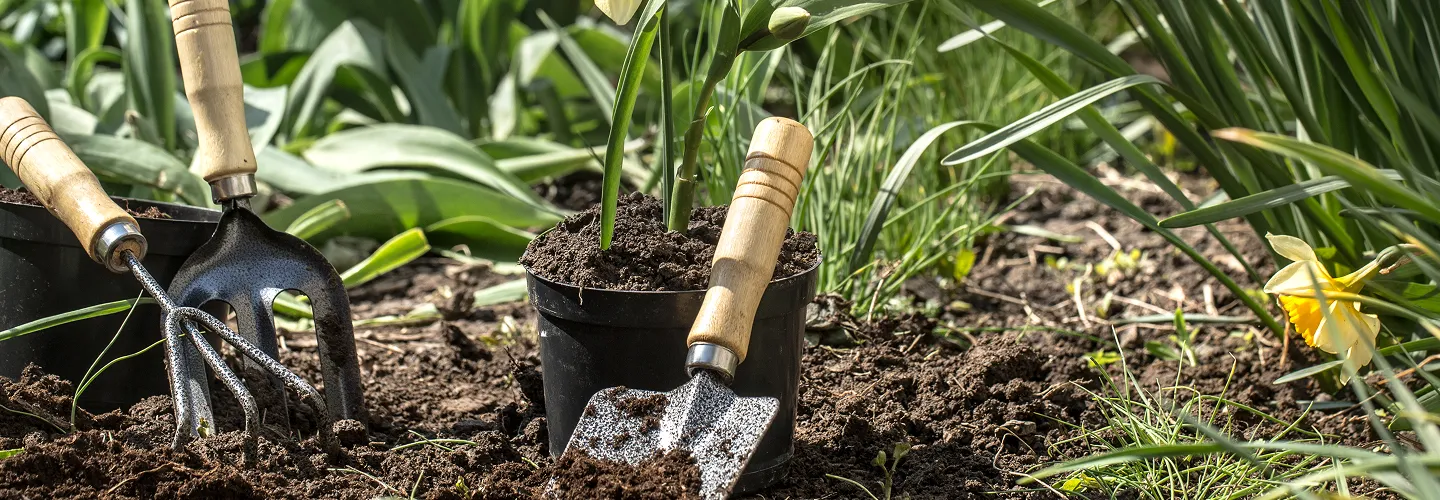
Choose our flower planting services for vibrant, healthy blooms that enhance your curb appeal and thrive all season long—our experienced team selects the perfect flowers for your landscape and ensures professional planting for lasting beauty.
Get a Free QuoteOur Peachtree City Landscaping & Yard Care Services
When to Schedule Flower Planting in Peachtree City, Georgia – Seasonal Guide
Flower planting in Peachtree City is best scheduled with careful attention to our unique climate and landscape. The ideal planting windows are early spring, after the last frost—typically late March to early April—and again in early fall, when temperatures begin to cool but before the first frost arrives. These periods allow new flowers to establish strong roots before facing the heat of summer or the chill of winter. Neighborhoods like Planterra Ridge and near Lake Peachtree often experience microclimates due to shade from mature trees and proximity to water, which can slightly shift optimal planting times.
Local environmental factors play a significant role in successful flower planting. Peachtree City’s well-drained clay soils, variable humidity, and occasional drought conditions require thoughtful plant selection and timing. Monitoring local frost dates and understanding the impact of shade coverage—especially in areas like Braelinn Village—can help ensure vibrant, lasting blooms. For more information on local planting guidelines, visit the official resource.
Local Factors to Consider for Flower Planting in Peachtree City
- Tree density and shade coverage, especially in wooded neighborhoods
- Soil type and drainage, with much of the area featuring clay-based soils
- Average precipitation and risk of summer droughts
- Frost dates, which can vary slightly across the city
- Terrain, including sloped yards or proximity to lakes and creeks
- Municipal restrictions or HOA guidelines on landscaping
Benefits of Flower Planting in Peachtree City
Expert Local Knowledge
Customized Landscape Designs
Seasonal Plant Selection
Enhanced Curb Appeal
Eco-Friendly Practices
Reliable Maintenance Services
Peachtree City Flower Planting Types

Annual Flower Beds
Brighten your landscape with vibrant annuals that bloom throughout the season.
-
Perennial Gardens
Enjoy long-lasting beauty with perennials that return year after year.
-
Native Plant Installations
Enhance sustainability with flowers adapted to the local climate and soil.
-
Pollinator-Friendly Plantings
Attract bees, butterflies, and hummingbirds with carefully selected blooms.
-
Shade Garden Flowers
Transform shady areas with flowers that thrive in low-light conditions.
-
Container Flower Arrangements
Add color and flexibility with expertly designed container plantings.
-
Seasonal Color Rotations
Keep your landscape fresh with flowers that change with the seasons.
Our Flower Planting Process
Site Evaluation
Soil Preparation
Plant Selection
Careful Planting
Watering and Mulching
Why Choose Peachtree City Landscape Services
Peachtree City Homeowners Trust Us
-
Comprehensive Lawn Maintenance
-
Reliable Irrigation Solutions
-
Expert Tree and Shrub Care
-
Seasonal Clean-Up Services
-
Competitive Pricing
-
Professional and Courteous Team
-
Satisfaction Guarantee
Peachtree City's Piedmont Clay Soils and Bed Preparation for Flower Planting
Peachtree City sits within Georgia's Piedmont region, where soils are predominantly Cecil and Appling series — dense, red clay-based Ultisols with limited natural drainage and a tendency toward compaction in developed residential lots. According to the USDA Web Soil Survey, these soils typically carry a pH between 5.0 and 6.0, which is moderately acidic and may require amendment before flower planting. Residents should consider the following bed preparation steps suited to local conditions:
- Conduct a soil test through UGA Cooperative Extension to determine pH and nutrient levels before planting
- Incorporate 3–4 inches of compost or aged organic matter to improve drainage and aeration in clay-heavy beds
- Avoid tilling when soils are saturated, as this destroys soil structure and worsens compaction
- Apply lime only when soil test results confirm pH correction is needed, typically targeting a range of 6.0–6.5 for most flowering annuals and perennials
Raised or mounded beds are often advisable in low-lying areas where clay soils hold standing water after rainfall events common to Fayette County.
Optimal Flower Planting Windows for Peachtree City's USDA Zone 7b Climate
Peachtree City falls within USDA Plant Hardiness Zone 7b, with average annual minimum temperatures ranging from 5°F to 10°F. The city's location in the lower Piedmont produces long, humid summers and mild winters, creating two distinct planting windows that property owners should observe:
- Spring planting: Begin warm-season annuals such as zinnias, marigolds, vinca, and lantana after the average last frost date, which typically falls between late March and mid-April in Peachtree City; soil temperatures should reach at least 60°F before transplanting
- Fall planting: Cool-season flowers including pansies, snapdragons, and dianthus perform well when installed from late September through October, as daytime temperatures drop below 75°F
- Summer caution: July and August heat and humidity in Peachtree City can stress newly installed plants; irrigation frequency should increase to daily watering for the first two weeks after transplanting
The National Weather Service Peachtree City forecast office, located within the city, provides localized temperature and precipitation data useful for timing planting decisions accurately.
Protecting Peachtree City's Ponds and Stormwater Infrastructure During Flower Bed Maintenance
Peachtree City contains an extensive network of retention ponds, drainage corridors, and stormwater infrastructure managed in part by the Peachtree City Public Works Department. Flower planting activities that involve fertilizer application, soil amendment, or irrigation near these features require careful management to prevent nutrient runoff into local water bodies. The Georgia EPD Watershed Protection Branch establishes water quality standards applicable to stormwater discharges throughout the state, and the Clean Water Act provides the federal framework governing pollutant discharge into navigable waters.
Practical precautions for flower planting near ponds and drainage features include:
- Maintain a minimum 10-foot unpaved buffer between planted beds and the edge of any stormwater pond or drainage swale
- Avoid applying granular or liquid fertilizers within 24 hours of forecasted rainfall events
- Use slow-release fertilizer formulations to reduce the risk of nutrient leaching into drainage systems
- Do not blow or rake plant debris, soil, or mulch into storm drains or drainage inlets
Peachtree City Public Works Department
151 Willowbend Road, Peachtree City, GA 30269
Phone: (770) 487-8600
Official Website: Peachtree City Public Works Department
Peachtree City Code Enforcement Standards Affecting Landscape Bed Placement and Maintenance
Property owners and managers undertaking flower planting projects in Peachtree City should be aware that the city's Code Enforcement division monitors compliance with property maintenance standards, zoning requirements, and nuisance vegetation ordinances. Improperly maintained planting beds, overgrown borders, or vegetation encroaching on sidewalks, rights-of-way, or neighboring properties may result in code violations. The Peachtree City Code Enforcement office investigates complaints and conducts proactive inspections throughout the city.
Key compliance considerations for flower planting include:
- Planting beds adjacent to public sidewalks or cart paths must not obstruct pedestrian access or sightlines at intersections
- Vegetation in rights-of-way is subject to city maintenance standards; confirm with Code Enforcement before installing beds near street edges or cart path corridors
- Mulch depth in beds should not exceed 3–4 inches to avoid creating conditions that harbor pests or generate drainage complaints
- HOA-governed subdivisions may impose additional landscape standards beyond city minimums; verify applicable covenants before installing new beds
Peachtree City Code Enforcement
151 Willowbend Road, Peachtree City, GA 30269
Phone: (770) 487-8600
Official Website: Peachtree City Code Enforcement
Selecting Heat- and Humidity-Tolerant Flowers for Peachtree City Landscapes
Peachtree City's summer climate — characterized by sustained heat above 90°F from June through August and relative humidity frequently exceeding 70% — demands careful plant selection to ensure seasonal performance and reduce maintenance burden. UGA Cooperative Extension provides regionally tested plant recommendations suited to Piedmont Georgia conditions. Residents should also consult UGA Extension's Invasive Species resources to avoid inadvertently introducing problematic plants into local landscapes.
Recommended heat- and humidity-tolerant flowering plants for Peachtree City conditions include:
- Annuals: Vinca (Catharanthus roseus), pentas, portulaca, celosia, and gomphrena perform reliably through summer heat
- Perennials: Black-eyed Susan (Rudbeckia), coneflower (Echinacea), daylily (Hemerocallis), and salvia are well-adapted to Piedmont clay soils and summer humidity
- Native options: Native coneflowers, native asters, and wild blue indigo support local pollinators and require minimal supplemental irrigation once established
- Avoid: Plants with low heat tolerance such as impatiens (susceptible to downy mildew in humid conditions) and cool-season annuals left in place through July
Selecting regionally adapted species reduces irrigation demand, minimizes disease pressure, and supports the ecological function of Peachtree City's greenway corridors and pond buffers.
What Neighborhoods Do We Serve Throughout Peachtree City, GA?
- Kedron: A well-established residential area in northern Peachtree City with mature tree canopy and clay-heavy soils; shaded beds benefit from shade-tolerant flowering perennials and careful drainage management.
- Wilksmoor / Wilksmoor Village: Developed neighborhoods with a mix of lot sizes and proximity to cart path corridors; bed placement near paths requires attention to city right-of-way and sightline standards.
- Planterra Ridge: A newer subdivision with fill soils common to recent development; compaction and drainage variability make soil amendment essential before establishing flower beds.
- Braelinn: One of Peachtree City's larger established communities, featuring wooded lots and proximity to retention ponds; runoff management and buffer maintenance are important considerations for planting near drainage features.
- Glenloch: An older neighborhood with mature landscaping and established tree cover; deep shade from canopy trees requires selection of shade-tolerant flowering species such as impatiens alternatives, astilbe, or begonias.
- Huddleston Pond Area: Properties near Huddleston Pond require particular attention to fertilizer and amendment runoff given proximity to open water; slow-release products and vegetated buffers are strongly advisable.