
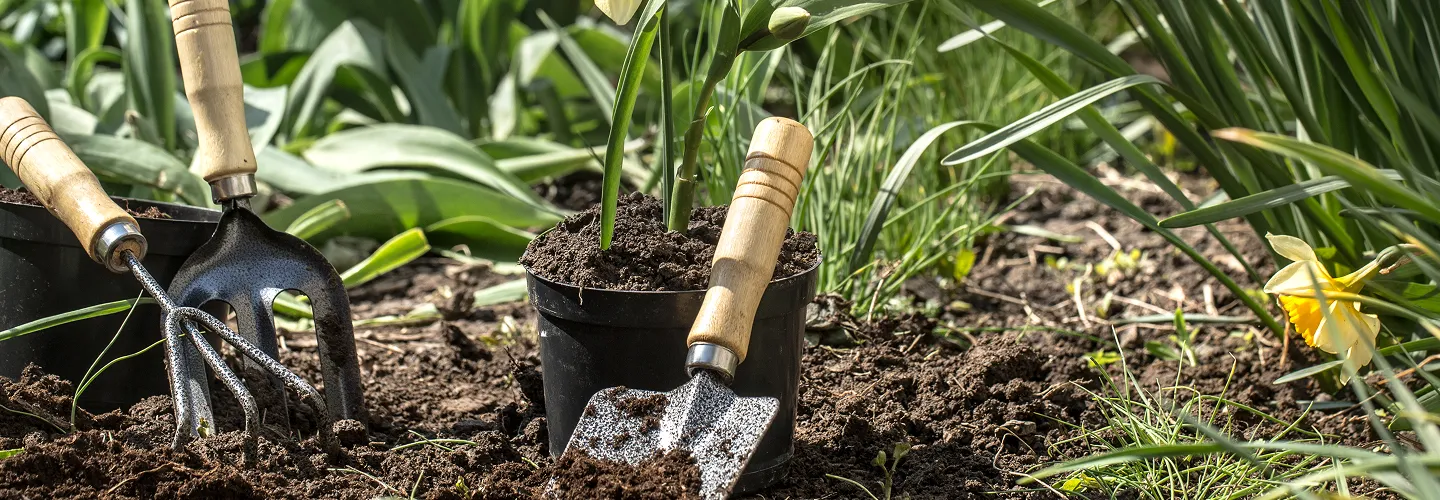
Peachtree City Weeding Services
Choose our expert weeding services for a healthier, more vibrant landscape—our team removes unwanted growth efficiently, ensuring your plants thrive and your yard stays pristine all season long.
Get a Free QuoteOur Peachtree City Landscaping & Yard Care Services
When to Schedule Weeding in Peachtree City, Georgia – Seasonal Guide
In Peachtree City, Georgia, the best times to schedule weeding are typically in early spring and late fall, when local weather patterns are most favorable for effective weed control. The region’s mild winters and humid summers mean that weeds can emerge early and persist throughout the growing season, especially in neighborhoods like Planterra Ridge and near Lake Peachtree. Monitoring local frost dates is crucial, as starting weeding too early in the spring can be ineffective if the soil is still cold, while waiting too late in the fall may allow weeds to set seed for the next year.
Local environmental factors such as the sandy-loam soils common in the Braelinn area, variable shade coverage from mature tree canopies in neighborhoods like Kedron Village, and the risk of summer droughts all play a role in determining the optimal weeding schedule. Homeowners should also be aware of municipal guidelines and seasonal precipitation trends, which can impact both weed growth and the timing of maintenance. For more information on local environmental considerations, visit the Peachtree City municipal resource.
Local Factors to Consider for Weeding in Peachtree City
- Tree density and shade coverage (e.g., wooded lots in Kedron Village)
- Soil type and drainage (sandy-loam vs. clay soils)
- Seasonal precipitation and drought risk
- Frost dates and temperature fluctuations
- Terrain and slope, especially near Lake Peachtree
- Municipal restrictions or guidelines on yard maintenance
Benefits of Weeding in Peachtree City
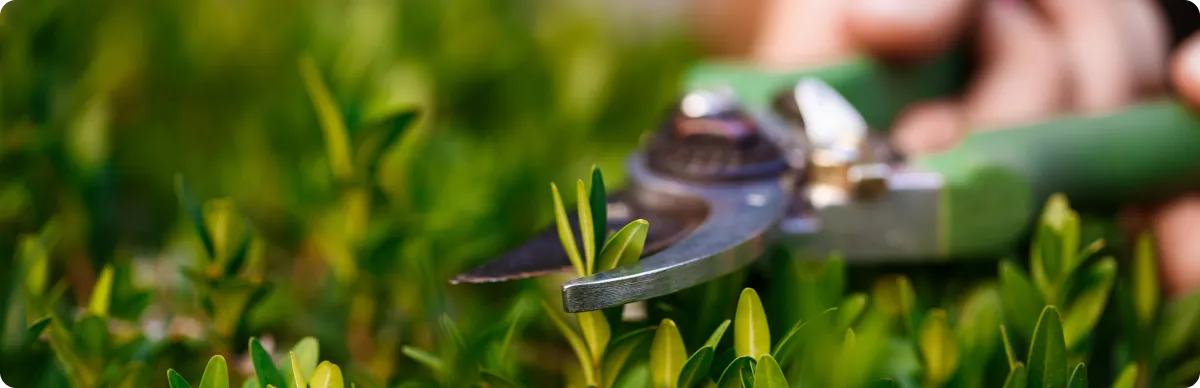
Enhanced Curb Appeal
Healthier Plant Growth
Reduced Pest Infestation
Improved Soil Quality
Professional and Reliable Service
Time and Effort Savings
Peachtree City Weeding Types

Hand Weeding
-
Mulch Application
-
Pre-Emergent Weed Control
-
Post-Emergent Herbicide Treatment
-
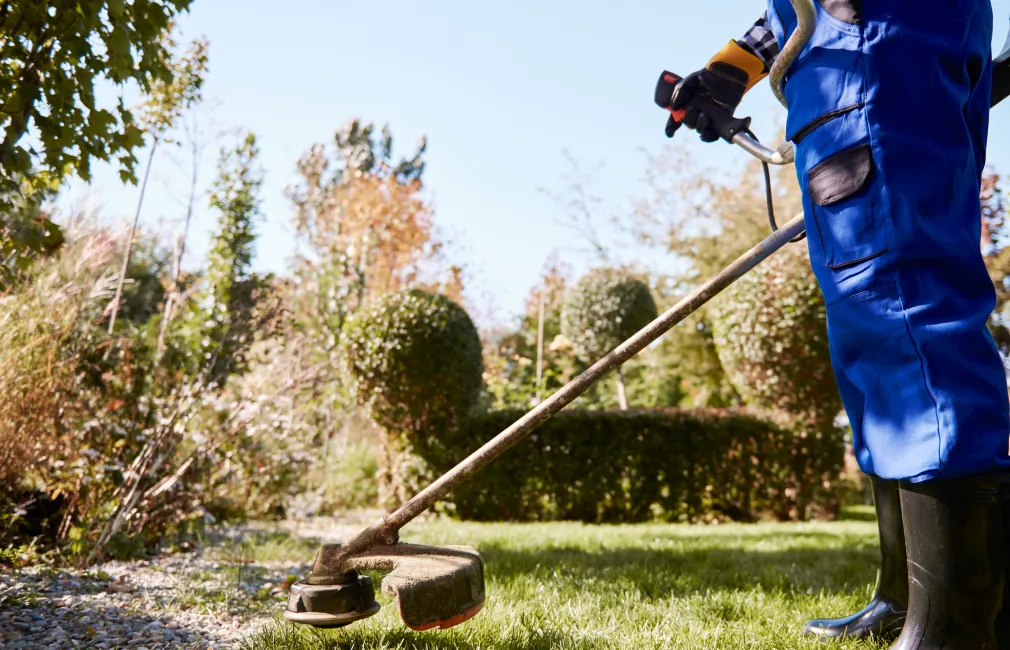
Mechanical Weeding
-
Landscape Fabric Installation
-
Selective Spot Weeding
Our Weeding Process
Site Evaluation
Weed Identification
Targeted Removal
Soil Treatment
Final Inspection
Why Choose Peachtree City Landscape Services
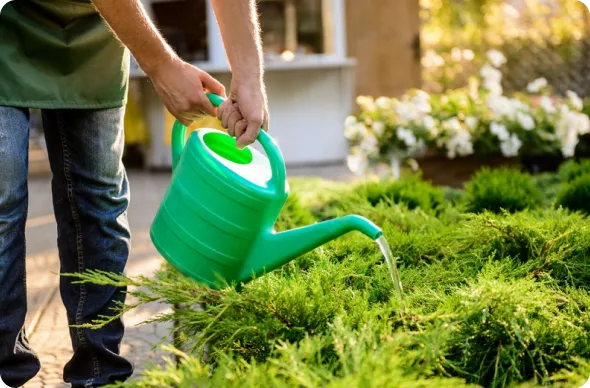
Peachtree City Homeowners Trust Us
-
Comprehensive Lawn Maintenance
-
Reliable Irrigation Solutions
-
Expert Tree and Shrub Care
-
Seasonal Clean-Up Services
-
Competitive Pricing
-
Professional and Courteous Team
-
Satisfaction Guarantee
Peachtree City's Red Clay Soils and Weed Pressure in Planting Beds
Peachtree City sits within Georgia's Piedmont region, where soils are predominantly Cecil and Appling series — dense, acidic red clay loams with limited drainage capacity and a pH typically ranging from 5.0 to 6.0. These compacted clay soils create conditions that favor persistent broadleaf weeds such as common chickweed, wild violet, and ground ivy, which exploit low-infiltration zones where desirable plants struggle to compete. According to the USDA Web Soil Survey, Fayette County's Piedmont soils exhibit moderate to slow permeability, meaning surface moisture lingers long enough to support opportunistic weed germination throughout the growing season. Effective weeding in these conditions requires:
- Hand-pulling or shallow cultivation to avoid disrupting clay structure
- Mulching beds to a depth of 2–3 inches to suppress germination
- Timing removal before seed set, particularly in spring (March–May) and early fall (September–October)
- Avoiding deep tillage that brings dormant weed seeds to the surface
Residents should consult the UGA Cooperative Extension for soil-specific weed management guidance tailored to Piedmont clay conditions.
Weed Control Timing Across Peachtree City's Long Warm Season
Peachtree City falls within USDA Hardiness Zone 8a, with warm-season growth extending from approximately late March through October and average summer temperatures regularly exceeding 90°F. This extended growing window creates multiple weed germination flushes annually, requiring a structured, season-aware approach to weeding. According to UGA Cooperative Extension guidance, warm-season annual weeds such as crabgrass and spurge germinate when soil temperatures reach 55–60°F — typically in late February to early March in Fayette County. Key timing benchmarks for Peachtree City properties include:
- Late February–March: Pre-emergent window for crabgrass and summer annuals
- April–June: Peak hand-weeding period for established broadleaf weeds in beds
- July–August: Monitor for spurge, nutsedge, and heat-tolerant perennials
- September–October: Second flush of cool-season weeds including henbit and hairy bittercress
The National Weather Service Peachtree City forecast office (KFFC) provides local temperature and rainfall data useful for anticipating germination events and scheduling weeding intervals accordingly.
Protecting Peachtree City Stormwater Infrastructure During Weeding Operations
Peachtree City maintains an extensive network of stormwater detention ponds, drainage swales, and greenway corridors that are directly connected to local water quality outcomes. Weeding operations that involve herbicide applications near these features must comply with the Clean Water Act and applicable Georgia EPD Watershed Protection standards. Pulled or cut weed material must not be deposited into drainage inlets, swales, or detention pond edges, as decomposing organic matter can contribute to nutrient loading and algae growth in receiving waters. Practical precautions include:
- Maintaining a minimum 10-foot buffer from stormwater inlets when applying any herbicide product
- Bagging and disposing of pulled weed material rather than leaving it adjacent to drainage features
- Avoiding weeding operations immediately before heavy rainfall events to prevent soil disturbance and runoff
- Confirming that any herbicide used near water features is labeled for aquatic or riparian use
The Peachtree City Public Works Department oversees stormwater infrastructure maintenance and can provide guidance on drainage feature locations and buffer expectations for private properties adjacent to city-managed systems.
Peachtree City Public Works Department
151 Willowbend Road, Peachtree City, GA 30269
Phone: (770) 487-8901
Official Website: Peachtree City Public Works Department
Nuisance Vegetation and Code Compliance in Peachtree City
Peachtree City's Code Enforcement Division actively monitors properties for overgrown vegetation and nuisance weed conditions that may violate municipal property maintenance standards. Unmanaged weeds exceeding established height thresholds on residential or commercial lots — particularly along street frontages, rights-of-way, and visible lot edges — can result in code violation notices and associated remediation requirements. Property owners and managers should be aware of the following compliance considerations:
- Vegetation along public rights-of-way is subject to city maintenance standards; private property owners are responsible for maintaining their side of the boundary
- Invasive species such as kudzu, Japanese honeysuckle, and privet, identified by UGA Extension - Invasive Species, may be subject to removal requirements under nuisance vegetation provisions
- Vacant lots and undeveloped parcels are not exempt from weed height and maintenance standards
- Repeat violations may escalate to city-initiated abatement with associated cost recovery
Peachtree City Code Enforcement
151 Willowbend Road, Peachtree City, GA 30269
Phone: (770) 487-8901
Official Website: Peachtree City Code Enforcement
Georgia Pesticide Licensing Rules for Professional Herbicide Applications
When weeding services in Peachtree City involve the application of herbicide products — whether pre-emergent granulars or post-emergent liquid treatments — Georgia law requires that the applicator hold a valid pesticide license issued by the Georgia Department of Agriculture. Under the Georgia Pesticide Use and Application Act of 1976, commercial pesticide applicators must be licensed in the appropriate category, and all applications must follow label directions as a matter of law. Property owners hiring professional weeding services should verify:
- That the contractor holds a current Georgia commercial pesticide applicator license
- That the license category covers ornamental and turf weed control (Category 24 or equivalent)
- That application records are maintained as required by state regulation
- That product labels are followed precisely, including re-entry intervals and buffer distances
Licensing verification is available through the Georgia Department of Agriculture - Licensing, Certification and Employee Registration portal. Unlicensed commercial herbicide application is a violation of state law and may expose property owners to liability.
What Neighborhoods Do We Serve Throughout Peachtree City, GA?
- Kedron: A well-established residential area with mature tree canopy and mixed planting beds that experience significant shade-driven weed pressure from wild violet and ground ivy throughout the growing season.
- Wilksmoor: Features larger residential lots with wooded rear boundaries, where invasive vine species and opportunistic broadleaf weeds frequently encroach from adjacent natural corridors into maintained landscape beds.
- Planterra Ridge: A newer subdivision with compacted fill soils common to recent Piedmont development, where poor drainage creates persistent moisture conditions favorable to nutsedge and other moisture-tolerant weeds.
- Braelinn: A densely developed community adjacent to Peachtree City's greenway network, where stormwater swales and pond edges require careful weed management to avoid introducing debris into drainage infrastructure.
- Glenloch: An established neighborhood with older landscape beds and significant clay compaction, where perennial weeds such as wild violet and dandelion have developed deep root systems requiring consistent seasonal removal.
- Huddleston Pond Area: Properties near this detention feature require particular attention to herbicide buffer compliance and responsible disposal of pulled weed material to protect adjacent water quality.